Jakarta to Bali: The 600km Reality & The Science of Blade Battery Safety
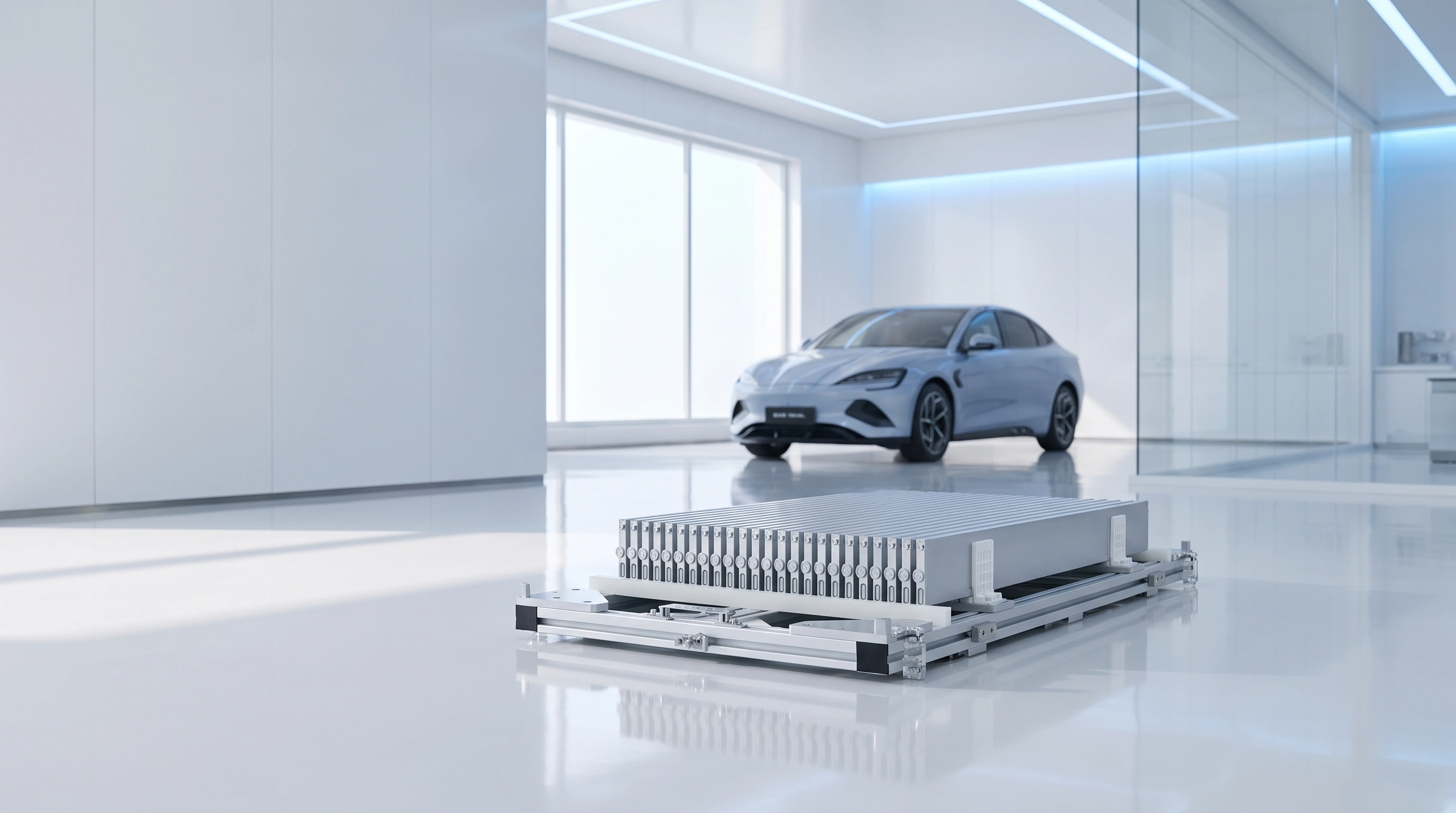
When considering an Electric Vehicle (EV) in Indonesia, two questions inevitably arise: "Can it handle the heat?" and "How far can it go?" The DENZA D9 answers these with the revolutionary BYD Blade Battery.
The Chemistry of Safety: LFP vs. NCM
To understand why the DENZA D9 is the safest EV on the market, one must understand battery chemistry. Most early EVs utilized Nickel Cobalt Manganese (NCM) batteries. While energy-dense, NCM batteries are chemically volatile, especially under high thermal stress or physical impact.
The DENZA D9 utilizes Lithium Iron Phosphate (LFP) chemistry. LFP is inherently more stable. It has a much higher thermal runaway threshold (over 500°C) compared to NCM. In the tropical climate of Indonesia, where tarmac temperatures can soar, this thermal stability is not just a feature; it is a necessity.
The Nail Penetration Test
The defining moment for the Blade Battery was the Nail Penetration Test—the "Mount Everest" of battery safety testing. In this test, a steel needle is driven through the battery cell, causing an internal short circuit.
- Standard NCM Battery: Explodes into flames immediately.
- Standard LFP Block: Smokes and reaches surface temperatures of 200°C-400°C.
- BYD Blade Battery: Emits no smoke, no fire, and the surface temperature remains between 30°C-60°C.
This means that in the unlikely event of a severe accident that pierces the chassis, the DENZA D9's battery pack will not ignite. For a family vehicle carrying up to seven passengers, this peace of mind is priceless.
Structural Integrity: Cell-to-Body (CTB)
The "Blade" name comes from the physical shape of the cells—long, thin strips that look like blades. These cells are not just energy storage; they are structural beams. By arranging them in a honeycomb-like structure, BYD creates a battery pack that is incredibly rigid.
This pack is integrated into the vehicle's floor, lowering the center of gravity and increasing torsional rigidity. This results in a luxury MPV that handles with the stability of a sedan, reducing body roll on the winding roads of Puncak or the sharp turns of the Trans-Java toll road.
The 600km Reality: Range in the Real World
The DENZA D9 boasts a range of over 600km (NEDC). But what does that mean for the Indonesian driver?
Scenario A: The Weekly Commute
The average Jakarta executive travels approximately 40km per day. With a 600km range, you can drive for two full weeks on a single charge. The concept of "daily charging" becomes obsolete. You charge it like you fill up gas—once a week—but you do it in the comfort of your garage while you sleep.
Scenario B: The Long Haul (Jakarta to Surabaya)
Driving across Java has become a seamless experience in 2025 thanks to the proliferation of SPKLU (Charging Stations) at rest areas. However, with the D9, you skip most of them.
- Leg 1: Jakarta to Cirebon (220km). Battery at 65%. Keep driving.
- Leg 2: Cirebon to Semarang (230km). Battery at 25%. Stop for lunch.
During a 30-minute lunch break, the D9's 166kW DC Fast Charging capability can replenish the battery from 30% to 80%. By the time you finish your coffee, the car is ready for the final leg to Surabaya.
Longevity: An Asset that Lasts
Battery degradation is a common fear. LFP batteries, however, are known for their cycle life. The Blade Battery is rated for over 3,000 charge cycles while maintaining 80% capacity.
Let's do the math: 3,000 cycles x 500km (real world) = 1,500,000 kilometers.
You are likely to replace the tires, the suspension, and perhaps the upholstery long before the battery needs replacing. This longevity ensures that the resale value of the DENZA D9 remains strong, making it a prudent financial investment alongside a lifestyle upgrade.